Drive systems for mobile logistics robots
Modular Wheel Drive platform for AMRs.
Autonomous mobile robots are essential to modern logistics. Their performance depends on compact, efficient Wheel Drives that integrate BLDC motors, gearheads, brakes, encoders and controllers into one sub system. maxon provides complete Wheel Drive solutions from a single source, helping AMR manufacturers move faster from concept to scalable deployment with reliable, repeatable drive performance.
Why integrated Wheel Drive solutions matter.
When motors, gearheads, brakes, electronics, sensors, and controllers are engineered separately, AMR integration becomes more complex. Motion behavior is more difficult to tune, safety validation takes longer, and performance can vary between prototype testing and fleet deployment.
maxon’s modular Wheel Drive platform reduces overall system complexity and minimizes the number of supplier interfaces. With fewer components to specify, procure, assemble, and qualify, OEMs can streamline their supply chain, reduce integration risks, and bring new platform variants to market faster.
- Predictable system behaviour
- Faster validation and approval
- Reliable thermal performance
- Smooth scaling from prototype to production
Need help designing your Wheel Drive?

Brochure
Endless possibilities.
From AMRs to ASRS (automated storage and retrieval system), maxon’s modular Wheel Drive platform and product range gives OEM’s the flexibility to create a wide range of vehicle architectures from one proven system.
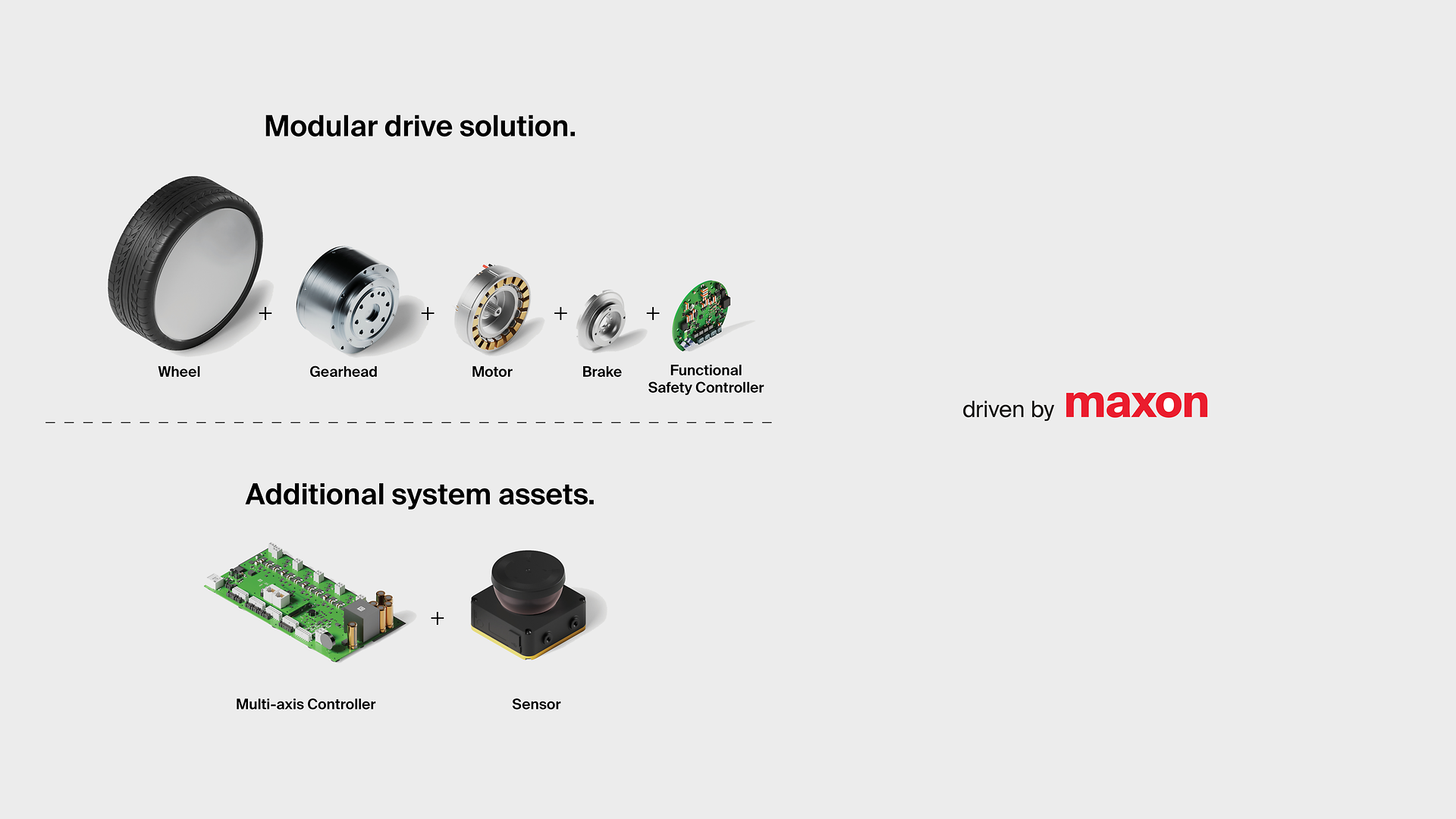
Our product recommendations.
Wheel Drives from maxon are a compact, efficient solution for AGVs and autonomous vehicles in intralogistics and outdoor applications. Precision control and speed guarantee system stability.

Wheel Drive 250
- Payload per Drive ≤ 250 kg
- Optinonal: integrated functional saftey and brake
- IP65 certified
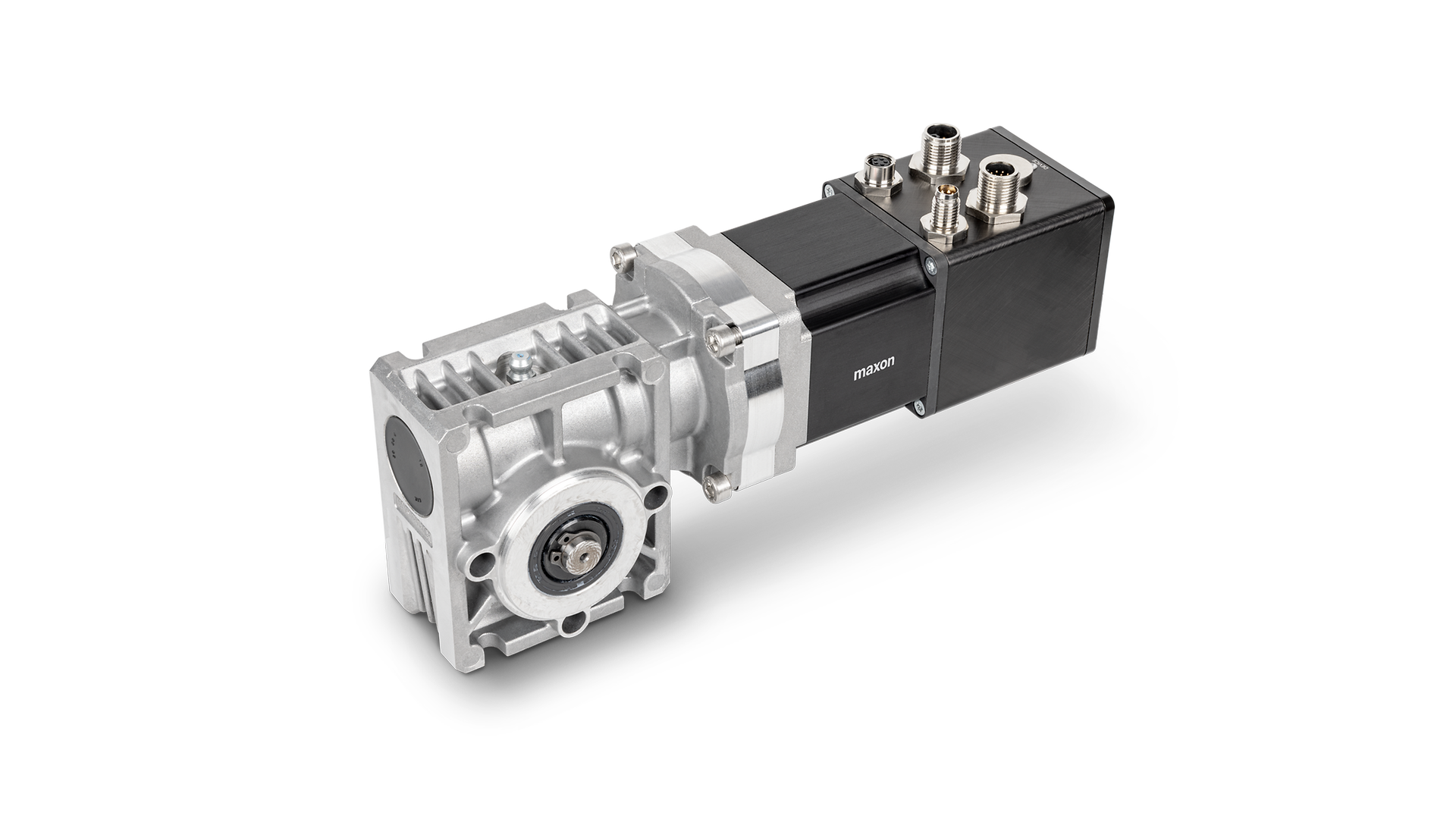
Custom Wheel Drives
- Perfectly matched system components
- Installation space optimized
- Cost efficient
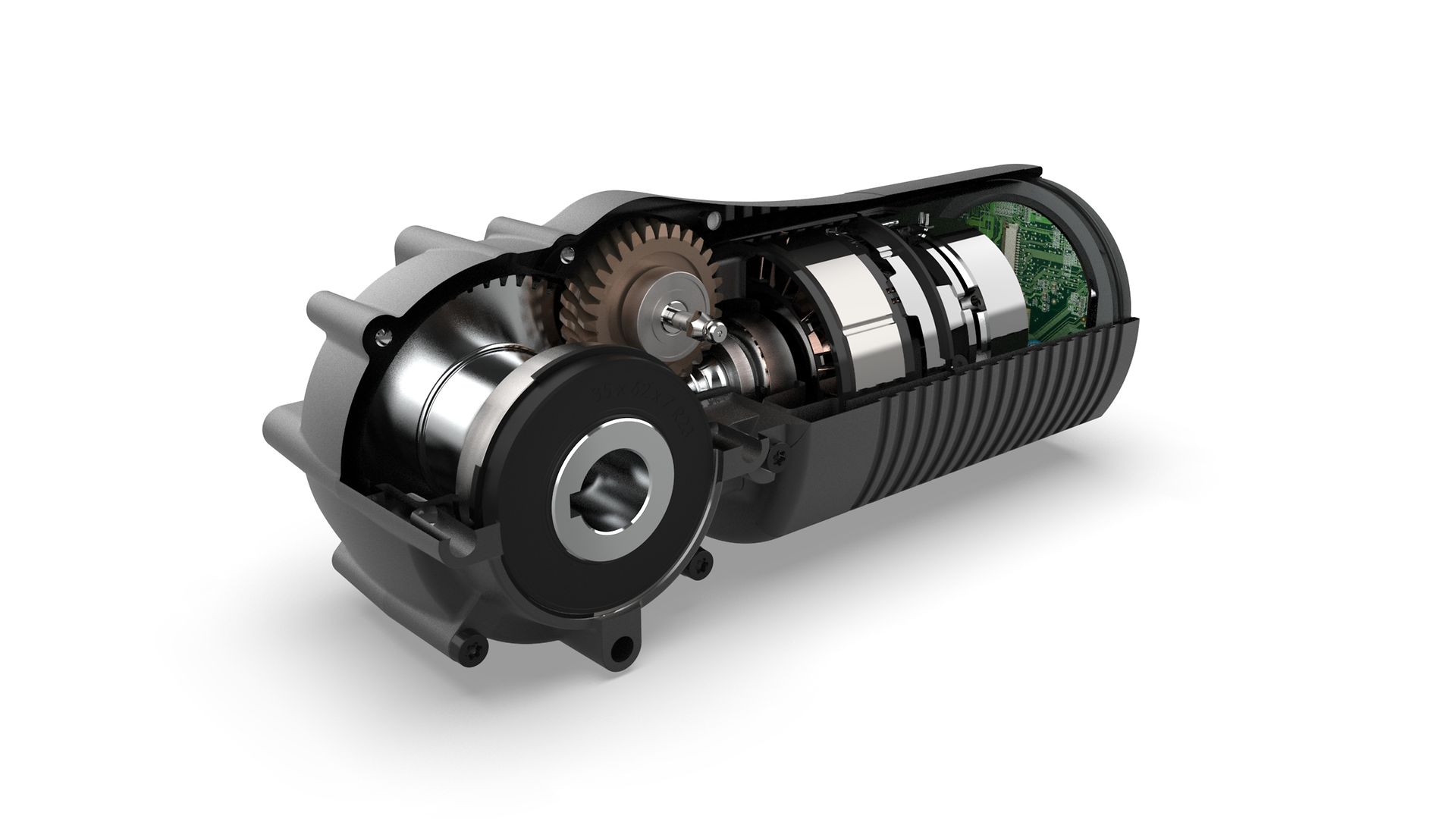
Compact Drive
- 50% smaller than traditional drive units
- 20% higher drive efficiency
- Low noise and smooth motio
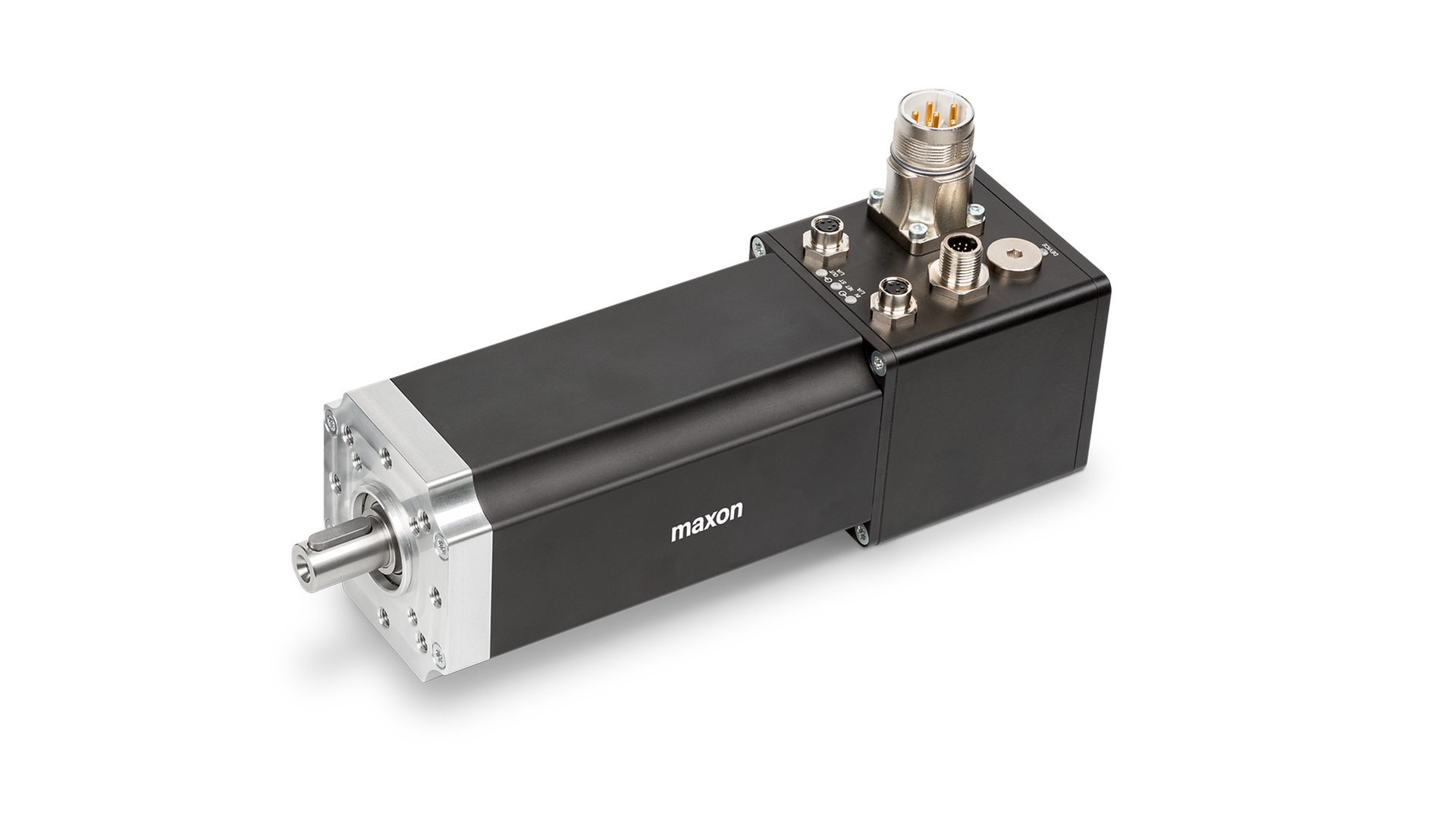
IDX 70 with certified safety controller
- Safety integrity level SIL3 - PLe-Cat.3
- Safety functions STO & SBC
- Power 900W
- IP65 Protection class
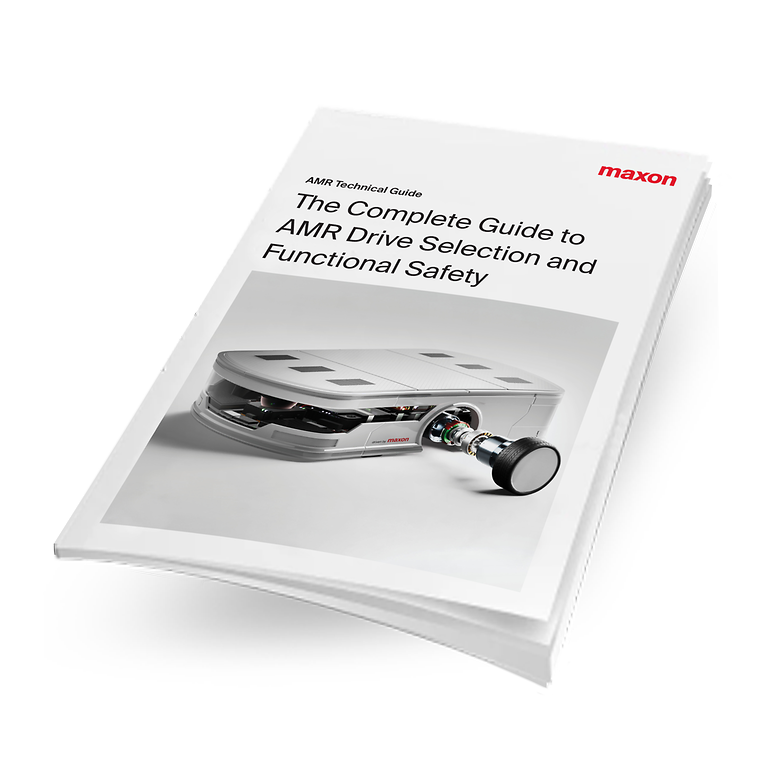
Technical Guide for AMR drive selection
Master the 6 critical steps to AMR Wheel Drive selection and Functional Safety.
Built specifically for AMR developers, this Technical Guide combines maxon’s drive system expertise with practical guidance on functional safety and a proven six-step selection process. Download it to reduce engineering risk and make the right drive decisions from the start.
How drive systems impact AMR operational performance.
Discover the six key operational benefits of a modular Drive Wheel solution:
In an AMR, the motor, gearbox, controller, encoder, brake, safety logic and software interface all influence how the platform behaves under load. If these elements are selected separately, engineering teams often spend extra time solving compatibility issues, tuning problems and validation gaps.
Designing subsystems to work together from the start helps reduce integration risk and makes motion behavior more predictable. It also gives engineering teams a clearer path from prototype testing to scalable production.
Example
In a goods-to-person AMR fleet, one platform may perform well during prototype testing but behave differently once payload, duty cycle and deployment conditions change. If the motor, controller and feedback system are not well matched, engineers may need additional tuning rounds before the robot can be deployed reliably. Integrated subsystems help reduce this uncertainty by aligning mechanical, electrical and control behavior earlier in development.
Operational impact
- Reduced integration effort
- Fewer compatibility issues
- More predictable motion behavior
- Faster commissioning
- Shorter validation cycles
- Easier transition from prototype to production
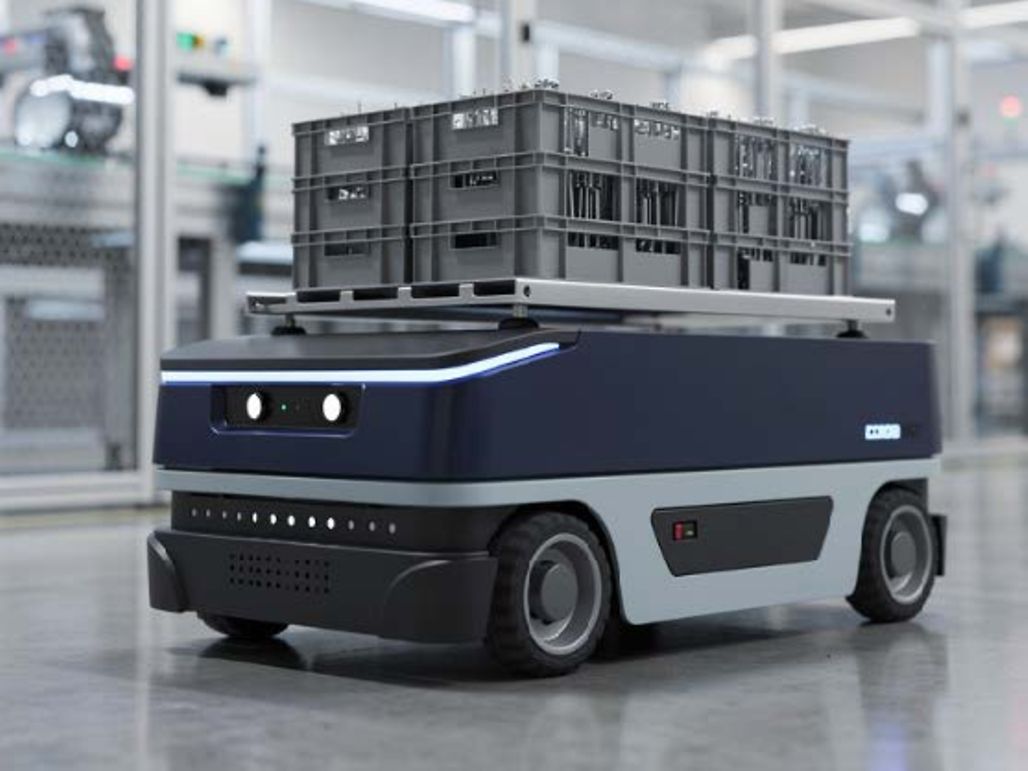
Automated Guided Vehicle.
Requirement: Fixed-route material transport with high reliability, repeatable motion and predictable stop behavior. AGVs often operate on defined paths and must perform consistently over long operating hours.
maxon Benefit: Stable drive behavior, controlled braking and long-life operation for structured logistics routes.
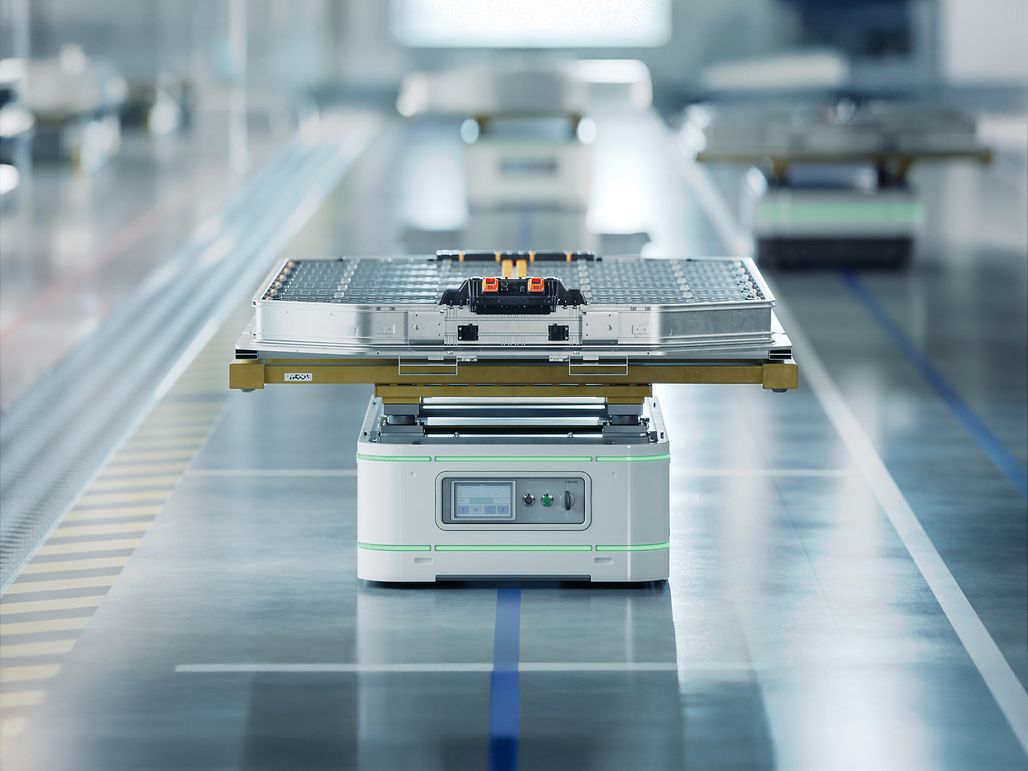
Autonomous Mobile Robot.
Requirement: Flexible navigation in dynamic environments with people, equipment and changing routes. AMRs need compact drive systems, efficient runtime, predictable motion behavior and functional safety.
maxon Benefit: Integrated drive systems improve maneuverability, safe stopping behavior and validation efficiency.
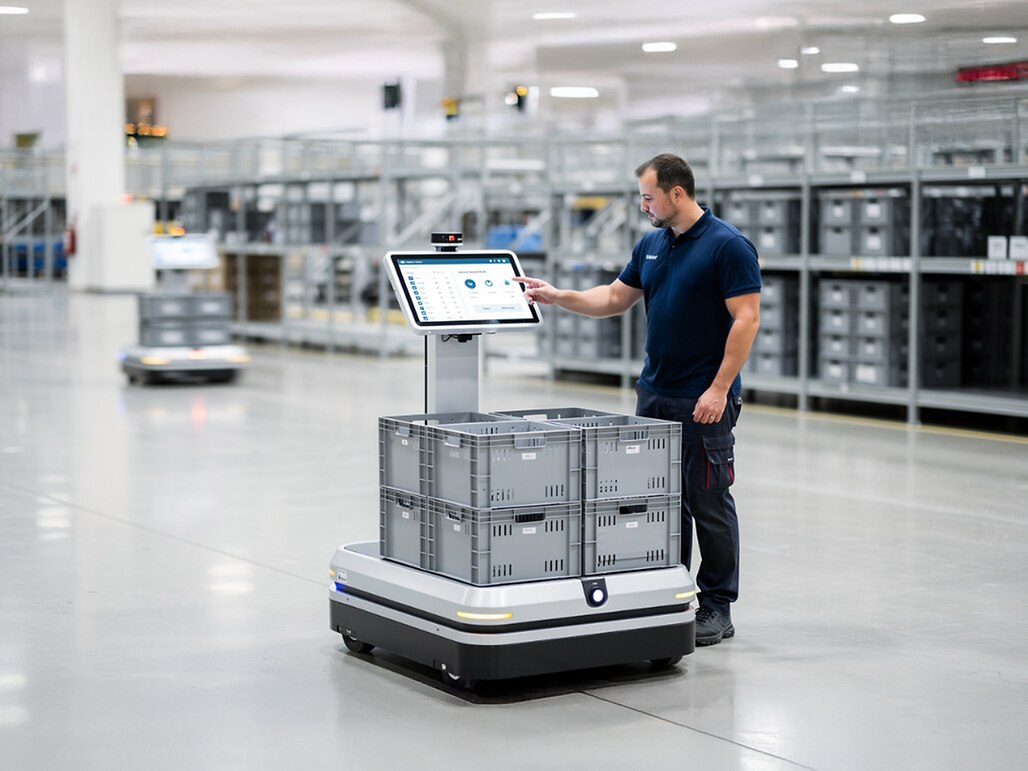
Pallet-Handling AMR / Person-to-Goods.
Requirement: Flexible goods transport in dynamic environments with frequent starts, stops and route changes. AMRs must move smoothly and operate consistently across large fleets.
maxon Benefit: Predictable braking, safe position holding and repeatable drive behaviour for reliable operation around people.
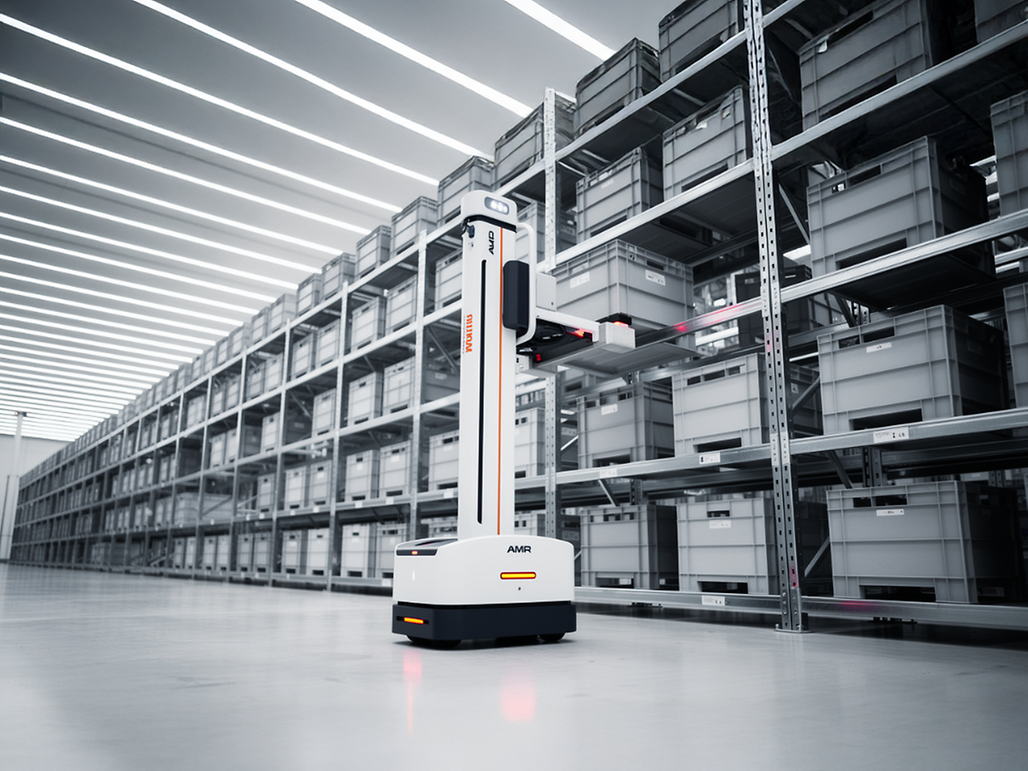
Automated Storage and Retrieval System.
Requirement: High positioning accuracy, fast cycles and reliable operation in confined spaces. AS/RS systems must handle loads consistently over long operating hours.
maxon Benefit: Compact drive systems enable precise positioning, smooth acceleration, controlled braking and dependable continuous operation.
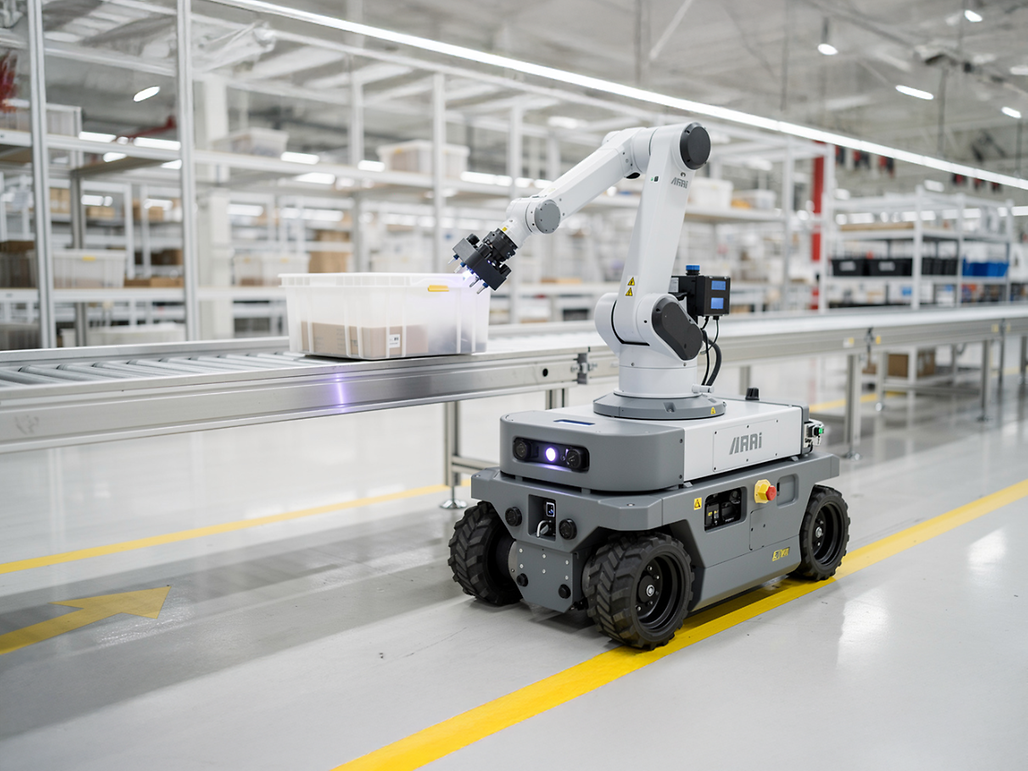
Manipulation Arm AMR.
Requirement: Mobile material handling with high payload capacity, strong low-speed torque and precise positioning. Manipulation Arm AMRs must remain stable during frequent stops and arm movements.
maxon Benefit: Integrated Wheel Drives and precision joints enable stable vehicle positioning, accurate handling and reliable operation under load.
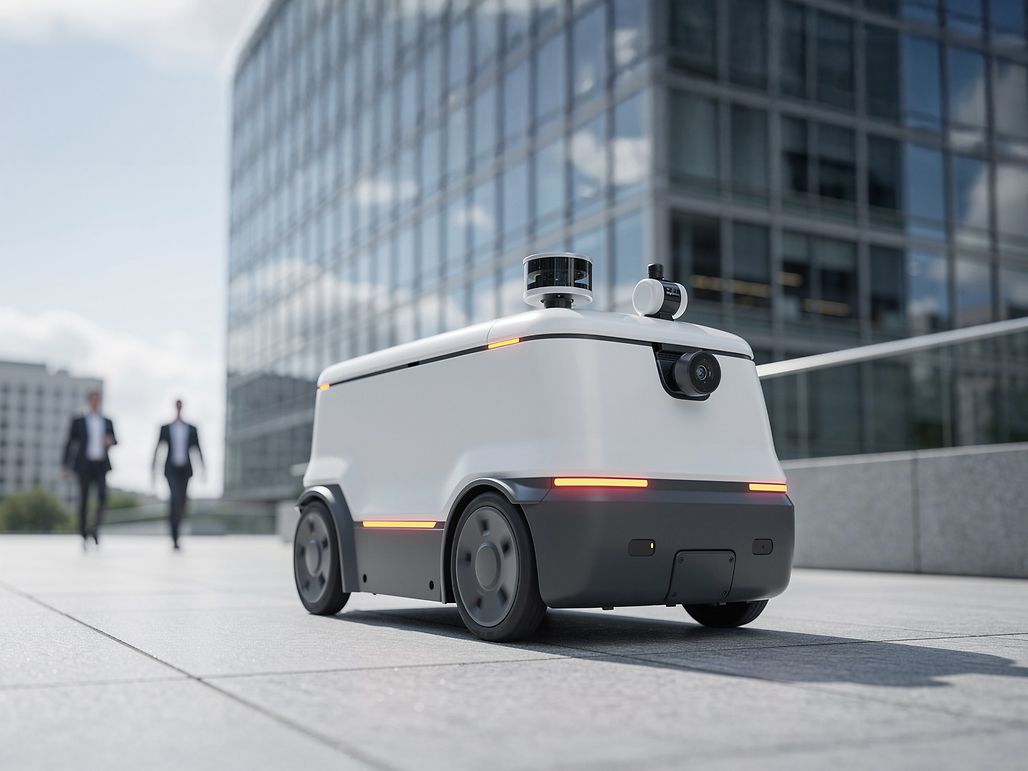
Last mile AMR.
Requirement: Autonomous last mile delivery with safe navigation, compact design and efficient operation. Delivery robots must move reliably through dynamic outdoor environments and stop predictably around obstacles.
maxon Benefit: Compact, efficient drives provide smooth traction, precise speed control and reliable stopping for long-range fleet operation.
Frequently asked questions.
What is a maxon integrated Wheel Drive?
A maxon integrated Wheel Drive is a modular drive subsystem for autonomous mobile robots (AMRs). It combines the wheel, motor, gearhead and brake in one compact, coordinated unit. Depending on the configuration, it can be combined with compatible maxon motion-control and functional-safety components within the wider vehicle architecture.
The Wheel Drive delivers compact torque for payload movement and manoeuvring, while the brake supports controlled stopping and holding under load. Its modular design gives engineers a defined interface for adapting the drive system to different AMR platforms and application requirements.
Safety options can include functions such as Safe Torque Off (STO), Safe Brake Control (SBC), Safe Limited Speed (SLS) and Safe Stop 1 (SS1). STO removes motor torque; SBC controls the brake; SLS helps keep the drive within a defined speed limit; and SS1 brings the drive to a controlled stop. Integrating these functions into the drive-system concept can simplify the vehicle architecture and support a more repeatable design approach.
What can I as an engineer expect from maxon Wheel Drive system?
Engineers need a drive system that delivers the required wheel torque, payload capacity, speed and braking performance in a compact, reliable package. Key requirements include the correct nominal voltage range, wheel diameter, continuous and peak wheel torque, radial load capacity, duty-cycle capability and expected service life. The system should also include or support essential components such as an encoder for closed-loop motion control, a holding brake for safe stopping under load and a controller that integrates with the vehicle architecture. Communication options such as CANopen and EtherCAT are important for connecting the drive to the AMR control system, while simplified hybrid cabling can reduce installation effort and improve reliability. For safety-critical applications, engineers also need functions such as Safe Torque Off and safe brake control to remove motor torque and hold the vehicle securely during a stop. An integrated drive wheel helps meet these requirements by combining the motor, gearhead, wheel, brake and feedback system into one validated subsystem, reducing design complexity, commissioning time and integration risk. All aspects which maxon delivers.
Why does functional safety matter in AMR drive systems?
Functional safety is critical because an AMR drive system must do more than move the robot. It must also slow down, stop and hold position/speed safely under changing payloads, operating conditions and vehicle configurations.
In an integrated drive system, wheel, motor, gearhead, brake, are designed to work together as part of a defined subsystem. This makes safety-related behavior easier to integrate into the wider vehicle architecture and adapt across different AMR platforms.
Functions such as Safe Torque Off (STO), Safe Brake Control (SBC), Safe Limited Speed (SLS) and Safe Stop 1 (SS1) support predictable safety-related behavior. STO removes motor torque; SBC controls the brake; SLS helps keep the drive within a defined speed limit; and SS1 brings the drive to a controlled stop. Integrating these functions into the drive-system concept can simplify the vehicle architecture and support a more repeatable design approach.
A modular, integrated drive system helps engineering teams reuse proven motion and safety functions across vehicle variants. This reduces integration effort, simplify validation, and support a more repeatable development process for AMRs operating in dynamic logistics environments.
Does integrated FUSA help to reduce validation complexity?
Integrated drive systems reduce safety-validation complexity by bringing key safety-related functions, motor control and brake behaviour together in a defined, documented subsystem. This gives engineering teams clearer interfaces and reduces the number of separate interactions that must be assessed at vehicle level.
Where applicable, a pre-certified drive solution can provide a defined basis for the AMR manufacturer's verification process. It does not replace the vehicle-level risk assessment or validation, but it can help reduce interface-related testing and documentation effort when demonstrating the safety-related behaviour of the overall vehicle to a notified body.
What are the benefits of this maxon solution?
A compact, highly integrated drive system takes up less space and reduces overall vehicle weight, leaving more room for batteries, sensors, payloads, and other essential components. By combining high-power-density components that are precisely matched, the drive wheel delivers greater efficiency and performance within a smaller footprint.
This improves energy efficiency, extends operating time between charges, and simplifies the overall system architecture.
What does customization mean in the design process?
maxon drive systems are modular and highly configurable. Standard modifications can accelerate time to market, while customized variants address the specific mechanical, electrical, and functional requirements of each AMR.
maxon engineering teams support the process from concept to production, adapting the Wheel Drive to the vehicle architecture and providing digital design data for integration, verification, and validation.
Contact
What challenges are you facing?
Our logistics solutions experts are happy to help you.